How to play: Drag an item to the man’s hand. You are asked if he eats the item. Click the button to answer yes or no. Repeat to see which items he eats.
What is learned: This activity models the use of "it"and "them". There are some singular and some plural items. If the language has masculine and feminine forms, notice which word is used for feminine versus the masculine form. Notice the word order: the position of the word for "it" and "them" may be different from your native language.
Getting the most out of the activity: It is easy to figure out if the man is eating or not, but you want to learn how to say these sentences. Repeat the sentences that you hear. Make sure you try each item.
Group activities: After doing the activity, take turns asking each other whether the man eats one of the items. One can ask the question, the other gives the answer. Take turns. You can pick one person to be the actor. Offer that person pictures of various items. The "actor" can pretend to eat or refuse the food. The others have to tell if he eats it or not.
Dai da mangiare a Paolo e impara le parole ‘lo/la’ e ‘li/le’.
Come si gioca: Trascina un oggetto o un alimento nelle mani di Paolo. Ti verrà chiesto se lo mangia. Clicca sul pulsante corrispondente per rispondere sì o no. Continua con le altre figure per vedere che cosa mangia e che cosa non mangia.
Che cosa si impara: Quest’attività mostra l’uso di ‘lo/la’ e ‘li/le’. Ci sono oggetti e alimenti al singolare e al plurale. Fai attenzione a quale parola viene usata per la forma maschile e a quale per la forma femminile. Fai attenzione all’ordine delle parole: la posizione delle parole ‘lo/la’ e ‘li/le’ potrebbe essere diversa da quella della tua lingua madre.
Ottieni il massimo da quest’attività: E’ semplice immaginare che cosa mangia Paolo e che cosa non mangia, ma la cosa più importante è sapere come si dicono queste frasi. Ripeti le frasi che ascolti. Mi raccomando, prova a dirle tutte.
Attività di gruppo: Dopo aver svolto l’attività, chiedi a turno a ciascun alunno se Paolo mangia uno degli oggetti o degli alimenti indicati. Un bambino potrebbe porre la domanda e un altro rispondergli, a turno. Oppure scegli una persona che faccia da attore. Dai a questa persona immagini di vari oggetti e alimenti. L’"attore" può far finta di mangiare o di rifiutare il cibo. Gli altri dovranno dire se lo mangia o no.
|   | Deutsch |   |   | Italian |   | |
|   | Isst Peter...? | Paolo mangia...?: | ||||
|   | Isst Peter den Apfel? | Paolo mangia la mela? | ||||
|   | Ja, Peter isst ihn. | Sì, la mangia. | ||||
|   | Isst Peter die Banane? | Paolo mangia la banana? | ||||
|   | Ja, Peter ist sie. | Sì, la mangia. | ||||
|   | Isst Peter die Karotte? | Paolo mangia la carota? | ||||
|   | Ja, Peter ist sie. | Sì, la mangia. | ||||
|   | Isst Peter die Trauben? | Paolo mangia l'uva? | ||||
|   | Ja, Peter isst sie. | Sì, la mangia. | ||||
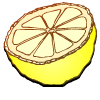
|   | Isst Peter die Zitronen? | Paolo mangia il limone? | ||||
|   | Nein, Peter isst sie nicht. | No, non lo mangia. | ||||
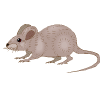
|   | Isst Peter die Maus? | Paolo mangia il topo? | ||||
|   | Ja, Peter ist sie. | Sì, lo mangia. | ||||
|   | Nein, Peter isst sie nicht. | No, non lo mangia. | ||||
|   | Isst Peter die Zwiebel? | Paolo mangia la cipolla? | ||||
|   | Ja, Peter isst sie. | Sì, la mangia. | ||||
|   | Nein, Peter isst sie nicht. | No, non la mangia. | ||||
| Maus | topo | |||||
| Apfel | mela | |||||
| Banane | banana | |||||
| Trauben | uva | |||||
| Zitrone | limone | |||||
| Karotte | carota |