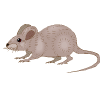
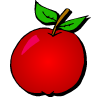
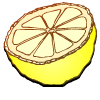
How to play: Drag an item to the man’s hand. You are asked if he eats the item. Click the button to answer yes or no. Repeat to see which items he eats.
What is learned: This activity models the use of "it"and "them". There are some singular and some plural items. If the language has masculine and feminine forms, notice which word is used for feminine versus the masculine form. Notice the word order: the position of the word for "it" and "them" may be different from your native language.
Getting the most out of the activity: It is easy to figure out if the man is eating or not, but you want to learn how to say these sentences. Repeat the sentences that you hear. Make sure you try each item.
Group activities: After doing the activity, take turns asking each other whether the man eats one of the items. One can ask the question, the other gives the answer. Take turns. You can pick one person to be the actor. Offer that person pictures of various items. The "actor" can pretend to eat or refuse the food. The others have to tell if he eats it or not.
言葉を覚えるために、その男の人に食べ物をあげてください
遊び方: 物を男の人の手に引っ張ってください。その物を食べるかどうか聞かれます。ボタンをクリックして、YESかNOか答えてください。どの物を食べるか見るために、繰り返してやってください。
学ぶこと: この活動で、 「それ」や「それら」の使い方を学びます。言葉の順序に注意してください。
活動後: その男の人が食べるかどうか、簡単に分かります。しかし、それらの文をどのように言うかを学びたくなるでしょう。聞こえた文を繰り返して言ってください。1つ1つしてください。
グループ活動: 活動の後、役割を交替して、その男の人が食べるかどうかお互いに聞いてください。1人が質問して、もう1人が答えます。役割を交代します。1人の生徒を選んで、その男の人を演じさせます。色々な物の写真をあげて、その男の役になった生徒は食べるふりをしたり、拒否したりします。他の生徒たちは、食べるか食べないかを言います。
|   | Русский | Transliteration |   | Japanese | Transliteration | |
|   | Что Петя ест? | Chto Petia est? | ピーターはXXをたべますか | |||
|   | Петя ест яблоко? | Petia est iabloko? | かずきはりんごをたべますか | |||
|   | Да, Петя его ест | Da, Petia ego est | はい、かずきはそれをたべます | |||
|   | Петя ест банан? | Petia est banan? | かずきはバナナをたべますか | |||
|   | Да, Петя его ест. | Da, Petia ego est. | はい、かずきはそれをたべます | |||
|   | Петя ест морковку? | Petia est morkovku? | かずきはにんじんをたべますか | |||
|   | Да, Петя её ест. | Da, Petia eyo est. | はい、かずきはそれをたべます | |||
|   | Петя ест виноград? | Petia est vinograd? | かずきはぶどうをたべますか | |||
|   | Да, Петя его ест. | Da, Petia ego est. | はい、かずきはそれをたべます | |||
|   | Петя ест лимоны? | Petia est limony? | ||||
|   | Нет, Петя их не ест. | Net, Petia ikh ne est. | ||||
|   | Петя ест мышь? | Petia est mysh'? | ||||
|   | Да, Петя ее ест. | Da, Petia ee est. | ||||
|   | Нет, Петя ее не ест. | Net, Petia ee ne est. | ||||
|   | Петя ест лук? | Petia est luk? | ||||
|   | Да, Петя его ест. | Da, Petia ego est. | ||||
|   | Нет, Петя его не ест. | Net, Petia ego ne est. | ||||
| мышь | mysh' | ねずみ | ||||
| яблоко | iabloko | りんご | ||||
| банан | バナナ | |||||
| виноград | vinograd | ぶどう | ||||
| лимон | limon | レモン | ||||
| морковь | morkov' | にんじん |