How to play: Drag an item to the man’s hand. You are asked if he eats the item. Click the button to answer yes or no. Repeat to see which items he eats.
What is learned: This activity models the use of "it"and "them". There are some singular and some plural items. If the language has masculine and feminine forms, notice which word is used for feminine versus the masculine form. Notice the word order: the position of the word for "it" and "them" may be different from your native language.
Getting the most out of the activity: It is easy to figure out if the man is eating or not, but you want to learn how to say these sentences. Repeat the sentences that you hear. Make sure you try each item.
Group activities: After doing the activity, take turns asking each other whether the man eats one of the items. One can ask the question, the other gives the answer. Take turns. You can pick one person to be the actor. Offer that person pictures of various items. The "actor" can pretend to eat or refuse the food. The others have to tell if he eats it or not.
Alimente al hombre para aprender las palabras para él y ellos (as):
¿Cómo jugar?: arrastre un elemento a la mano del hombre. A usted se le pregunta si él se come el elemento. Haga click en el botón para responder si o no. Repita para ver cual elemento él come.
¿Qué has aprendido?: Esta actividad modela el uso de “él” y “ellos (as)”. Existen algunos elementos en singular y otros en plural. Si el idioma tiene formas masculinas o femeninas, dese cuenta qué palabra es utilizada para femenino versus la palabra para la forma de masculino. Note el orden de las palabras: la posición de la palabra para “él” y “ellos (as)” puede que sea de una forma diferente que en su idioma nativo.
Aprovechando al máximo la actividad: Es fácil darse cuenta si el hombre se comerá el elemento o no, pero usted quiere aprender cómo decir estas oraciones. Repita las oraciones que escucha. Asegúrese de intentarlo con cada elemento.
Actividades en grupo: Luego de hacer la actividad, tome turnos para preguntarse unos a otros si el hombre come alguno de los elementos. Una persona puede hacer la pregunta, los otros pueden dar la respuesta. Tome turnos. Usted puede escoger a una persona para ser el actor. Ofrézcale a esa persona imágenes con varios elementos. El “actor” puede pretender comer o negarse a comer la comida. Los demás tiene que decir si el come o no.
|   | Русский | Transliteration |   | Spanish |   | |
|   | Что Петя ест? | Chto Petia est? | ¿Come Pedro? | |||
|   | Петя ест яблоко? | Petia est iabloko? | ¿Come Pedro la manzana? | |||
|   | Да, Петя его ест | Da, Petia ego est | Sí, Pedro la come. | |||
|   | Петя ест банан? | Petia est banan? | ¿Come Pedro la banana? | |||
|   | Да, Петя его ест. | Da, Petia ego est. | Sí, Pedro la come. | |||
|   | Петя ест морковку? | Petia est morkovku? | ¿Come Pedro la zanahoria? | |||
|   | Да, Петя её ест. | Da, Petia eyo est. | Sí, Pedro la come. | |||
|   | Петя ест виноград? | Petia est vinograd? | ¿Come Pedro las uvas? | |||
|   | Да, Петя его ест. | Da, Petia ego est. | Sí, Pedro las come. | |||
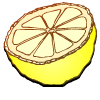
|   | Петя ест лимоны? | Petia est limony? | ¿Come Pedro los limones? | |||
|   | Нет, Петя их не ест. | Net, Petia ikh ne est. | No, Pedro no los come. | |||
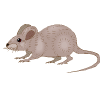
|   | Петя ест мышь? | Petia est mysh'? | ¿Come Pedro el ratoncito? | |||
|   | Да, Петя ее ест. | Da, Petia ee est. | Sí, Pedro lo come. | |||
|   | Нет, Петя ее не ест. | Net, Petia ee ne est. | No, Pedro no lo come. | |||
|   | Петя ест лук? | Petia est luk? | ||||
|   | Да, Петя его ест. | Da, Petia ego est. | ||||
|   | Нет, Петя его не ест. | Net, Petia ego ne est. | ||||
| мышь | mysh' | ratóncito | ||||
| яблоко | iabloko | manzana | ||||
| банан | banana | |||||
| виноград | vinograd | uvas | ||||
| лимон | limon | limón | ||||
| морковь | morkov' | zanahoria |